Showing posts with label Hardware. Show all posts

Wednesday, September 10, 2008

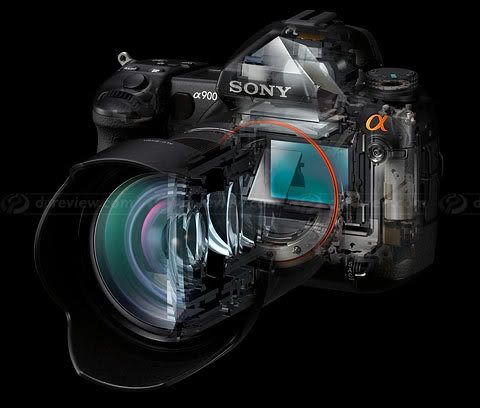
Sony Alpha 900 is OUT!!!


In the cut-throat digital camera market it's increasingly unusual for products to be shown in prototype form or announced more than a matter of weeks before they hit the stores. There's several reasons for the manufacturers' habit of playing their cards so close to their chests, not least that they can't afford to harm sales of the models they've already released. Sony, the newest 'new kid' on the DLSR block, has no such worries, this being its first proper 'high end' DSLR. In fact, if anything the pressure was on the company to show it was committed to becoming a major SLR system player and that it wasn't going to squander Minolta's long legacy in this market after picking up the assets Konica Minolta shed when it pulled out of the photography market. Thus we saw the first prototype of the Alpha 900 - Sony's flagship full frame digital SLR - back in early 2007 (it appeared behind glass at trade shows such as PMA in March 07), and information has been trickling out ever since; most significantly with the announcement in January of this year of a 35mm full frame CMOS sensor.


And so when Sony finally showed the finished Alpha 900 to us a month or so ago there were few surprises at the basic specification or the appearance of the camera. As we started to dig a little deeper, pore over the fine print and actually use the Alpha 900 we were, however, increasingly surprised - and almost always pleasantly so - at some of the decisions made by Sony's engineers when designing its flagship SLR.


The success of the Alpha 900 among the Minolta, Konica Minolta and Sony faithful seems assured; at a launch price of just shy of USD$3000 it offers a lot of 'bang for your buck' and there is undoubtedly a significant number of Minolta film SLR users who've been waiting years for a full frame digital body on which to use their existing lenses. The challenge for Sony, however, is to generate some interest from people without an existing investment in the Minolta (or subsequent Alpha) system. And on paper the Alpha 900 looks promising - and we're already impressed with the build, handling and viewfinder; we'll find out more about how well it actually performs when we finish our full review. For now enjoy this in-depth preview of the latest addition to the small but growing, exclusive full frame DSLR club.


New lenses

The A900 is launched with two new full frame lenses, the 70-400mm F4-5.6 G SSM and this very nice Zeiss Vario-Sonnar T* 16-35mm F2.8 ZA SSM. Incidentally you can use Sony/ Minolta crop lenses (DT) on the Alpha 900 by switching on the 'crop mode' option.


Reviews from dpreview.com

Tuesday, August 26, 2008

Carl Zeiss Vario-Sonnar T* Sony DT 16-80mm F3.5 - 4.5 Lens

Carl Zeiss Lens, Sony most premium lens, also worlds most prestige and premium lens. But Sony's version of Carl Zeiss come with Auto Focus(AF), others need to manually adjust. Hows that, ahahaha. Now introducing the so call lowest end aka the chearpest Carl Zeiss lens, but also cost around S$1099 hor, not cheap also. The Carl Zeiss Vario-Sonnar T* Sony DT 16-80mm F3.5 - 4.5 lens.


Focal lenght: 16-80 mm
Max Aperture: 3.5-4.5
Min Aperture: 22-29
Angle of view: 83°-20°
Aperture blades: 7, circular
Minimum focus distance: 0.35m
Elements/Groups: 14/10
filter diameter: 62mm (non-rotating)
Dimensions (D x L): 72 x 83mm
Max. Magnification ratio: 1:4
Weight: 440g
Release Date: 2007
Price new: S$1099
Price (used): Around S$800++


standard accessories:

Front and rear lens cap, lens pouch, SH0005 lens hood (petal-type)


features:

The ultimate all-in-one zoom lens designed specifically for DSLR imaging. It’s the first professional-grade 5X zoom lens specifically designed for APS-size CCD image sensors -- providing incredible precision in a single compact, easy-to-carry lens that carries you from 24mm wide-angle to 120mm telephoto (35mm equivalent). Advanced Carl Zeiss® optical design and anti-flare T* Coating make this one of the most valued lenses in the world of digital photography.
5X Zoom Range:

Smaller and lighter, it’s the only 5X zoom lens designed specifically for the APS-size CCD imager used in the Sony® α (alpha) DSLR camera.


Glass-Molded Aspherical Lens Elements:

Two glass-molded aspherical lens elements correct visual aberrations and improve picture quality across the entire zoom range.


Circular Aperture:

Because aperture blades form a near circle at the wide openings used for low-light shots, spot-light sources have a pleasing circular defocused effect.


Auto Clutch:

In auto-focus mode, the manual focus ring does not rotate -- and in manual focusing, a wider focus ring provides a solid, hands-on feel.

Wednesday, July 30, 2008

MINOLTA AF 28-105/3.5-4.5 xi zoom lens

Walkaround lens

so what is your most favorites lens and is always attach to their DSLR? That is your walkaround lens. My walkaround lens is the classic Minolta AF 28 - 105mm f/3.5-4.5 xi power/auto zoom lens, er...what is power/auto zoom lens? Hee hee, its means can the lens came with a built-in motor for you to zoom in and out faster, no need to turn ur barrel to zoom in and out...cool leh


Spec:-
Focal lenght: 28-105 mm
Max Aperture: 3.5-4.5
Min Aperture: 22-27
Angle of view: 75°-23°
Aperture blades: 7
Minimum focus distance: 0.5m
Elements/Groups: 13 / 10
filter diameter: 62mm
Dimensions (D x L): 73 x 76.5
Magnification: 0.21x
Weight: 489g
Release Date: 1991
Price new: Out of production
Price (used): $250 - $280
clip-on, round Hood


This lens is a bit under-appreciated. It is rather sharp even wide open, although at 105mm you need to stop down a little bit, like F8 - F10. The colors are fantastic. It has better colors and it is sharper than the kit lens Sony DT 18-70mm. The lens itself seems to be of solid build, the zoom motor can be noisy and sometimes when zooming very slowly there are grinding noises! Overall the powerzoom isnt that bad.


Sample Photos can be view here and here.


Friday, July 11, 2008

Minolta 50mm F1.7 RS Prime Lens

Now in my dry box has another newly acquired lens, although is 2nd hand but it is in mint condition. Minolta 50mm F1.7 RS Prime lens, aka the poor man lens....Last time before Minolta been taken buy over by Sony, this lens used to cost around S$170, now on the 2nd hand market in Singapore, this lens now cost between $250 - $280, its another brother the Minolta 50mm F1.4, cost between $300 - $380.....


Spec:-

Focal lenght: 50 mm
Max Aperture: 1.7
Min Aperture: 22
Angle of view: 47°
Aperture blades: 7
Minimum focus distance: 0.45 m
Elements / groups: 6 / 5
Filter diameter: 49mm
Dimensions: 65.5 x 39 mm
Magnification: 1:6.66
Weight: 186 g
Release Date: 1990
Price (new): $170
Price (used): $250 - $280
Built-in round lens hood
More Info:
The difference between original and this restyled lens are: Rubber focusing grip. ABS plastic focusing barrel. Foot/Meter focus scale in all white paint.


hehehe....dun ask me about the technical stuff, I also quite new in this area, for the explanation, wat I koe about the 2nd graph is the viewing different between full frame cam vs the APS-C cam. The Sample photos are posted in here and here.

Edit: Found out the graph on the 1st picture means, it about the sharpness comparison at which aperture setting...in this case, the Minolta 50mm f/1.7 is the sharpest @ f/8.


Friday, June 27, 2008

National Geographic Bag

Had been shopping for a new camera ever since I bought the Sony DSLR A350, need to be cheap and nice and most important can put in at least 3-4 lenses and my Asus eeepc 701 notebook, seen a lot of bags, none seems to attract me. Then came across National Geographic Channel on StarHub cable about photography, saw a very nice NGO bag those photographer carrying, wah, chio leh, dun koe will +5 to my photography skill or not....hahaha

So, just went around shopping for that bag, found it selling in Cathay Photo, ask the price, not bad $130, it also has a name, Earth Explorer Shoulder Bag - Medium, nice bag leh...


Wednesday, June 25, 2008

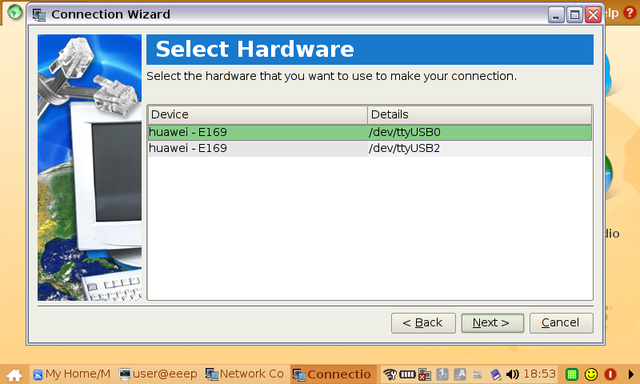
Huawei E169 USB Modem on Asus eeepc

I'm now officially on mobile Broadband wagon on the go...woohoo, now the cheapest with free modem is Singnet. I had read from Asus eeepc forum and found out the Huawei E220 work out of the box but not E169 the thumb drive shape modem for default Xandros Linux...jialet liao

Search through Google only found 1 blog (Dale Lane Blog) and read up on how to recompile the driver for default xandros, its a bitch to compile it, spent my whole Sunday just to understand and make it work...yes, I'm a noob on Linux and the ang mo english really need to read and reread many many times, well fear not, I had redone it in Asian Singapore English style, hope fellow Singaporeans can understand it...

Before you start, you need to download 2 files, USB ModeSwitch and replace the usb_modeswitch file found inside the zip with this one from here (Link remove, Please google to download the files). Because if you dun replace the file, you will keep getting "Floating point exception" sibei frustrating....however i did choose to delete all lines from the config file that didnt directly relate to the Huawei E169.

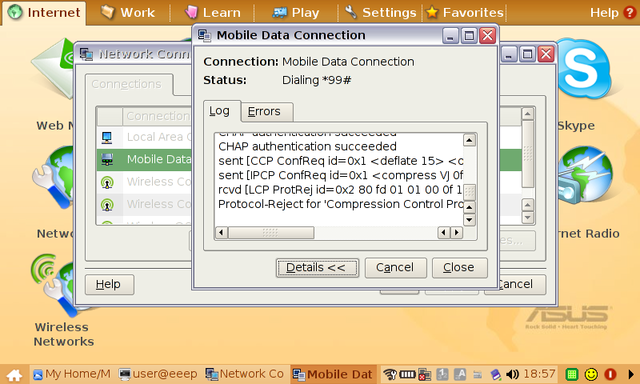
ok, now is the step by step with some dcreenshot to help those really noob people like me. First type "su" to make yourself "SuperUser" aka Administrator.

***UPDATES***

You dun need to redo the create new connection thingy, but you need to to type these 2 command everytime u shutdown ur eeepc. U can use the E169 on other laptop, be it windows or another Linux OS.

Please type them in SU mode

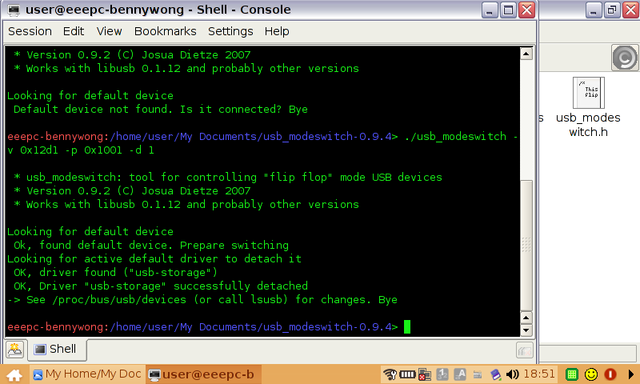
./usb_modeswitch -v -0x12d1 -p 0x1001 -d 1

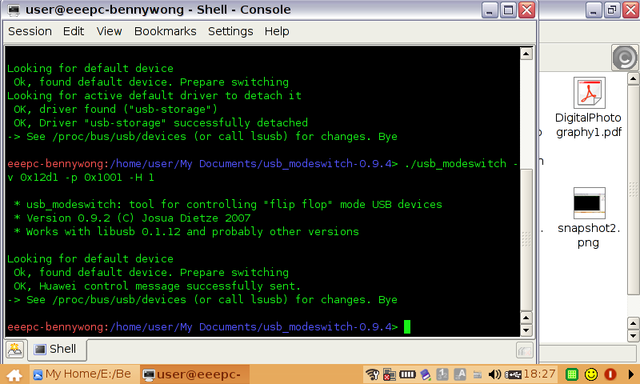
./usb_modeswitch -v -0x12d1 -p 0x1001 -H 1


I will try to create a exec file when i'm free, just like windows double click only.


copy the usb_modeswitch.conf to /etc directory. Before you do that, you delete all those not relate to the Huawei E169, you will know, dun worry.


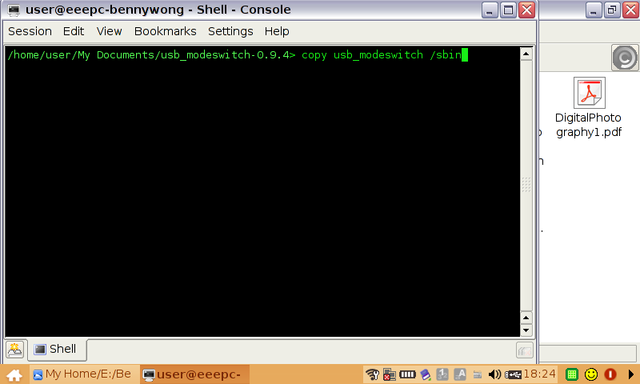
Next copy the usb_modeswitch to /sbin, before you do that, right click the file, go properties, tick all 9 boxes.


Then plug in the Huawei E169 modem and wait for it to blink blue led. Then type " ./usb_modeswitch -v 0x12d1 -p 0x1001 -d 1 ".


Type, " ./usb_modeswitch -v 0x12d1 -p 0x1001 -H 1 "


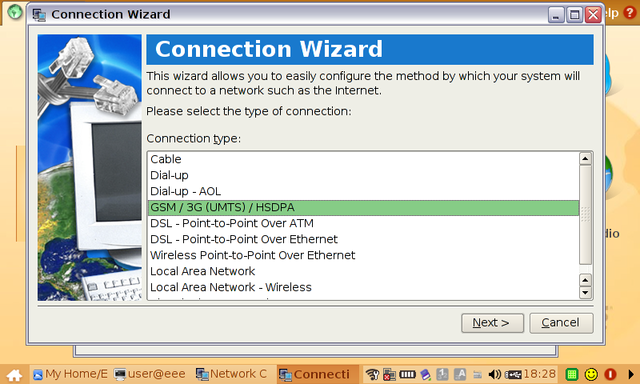
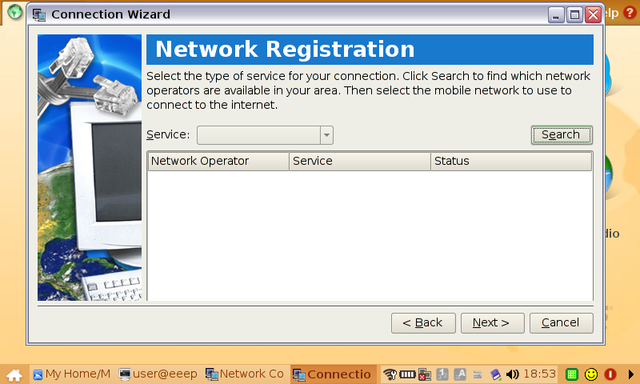
Go make a new connection, choose the GSM/3G/UTMS/HSDPA


Choose the first one. (I choose the first one and it works, so didnt bother the 2nd one)


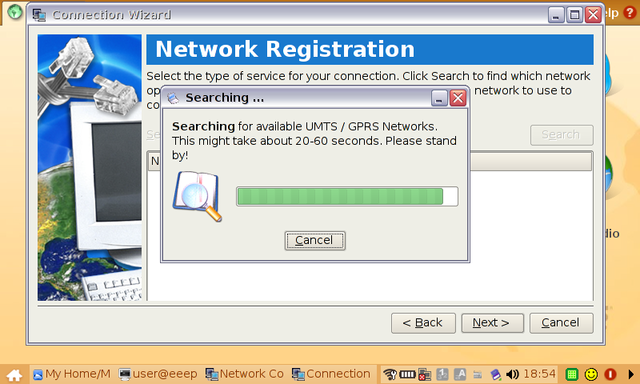
Click Search.


Wait for a few seconds...


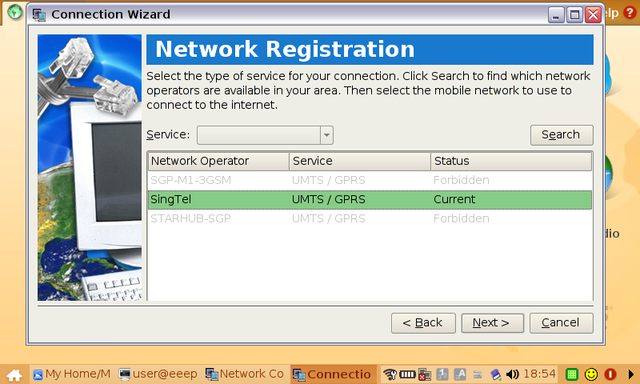
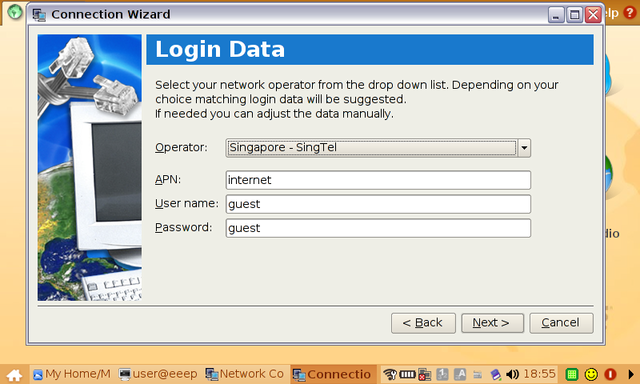
Choose the SingTel one, if other teleco, then choose other teleco lah...


Of cos, choose Singapore - SingTel, the below 3 setting dun bother, leave it as default.


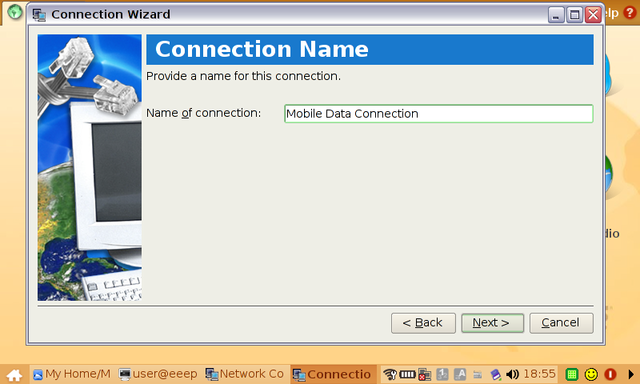
Choose a name if you like.


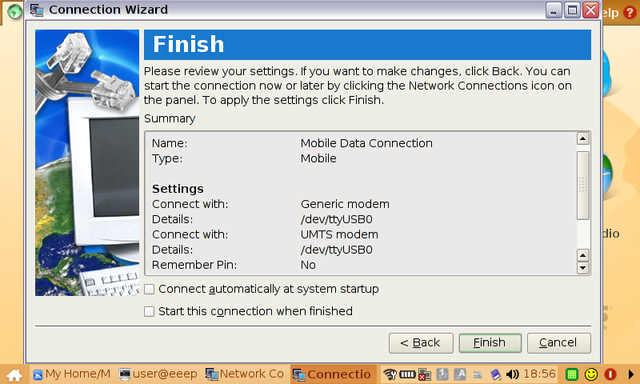
And click Finish.


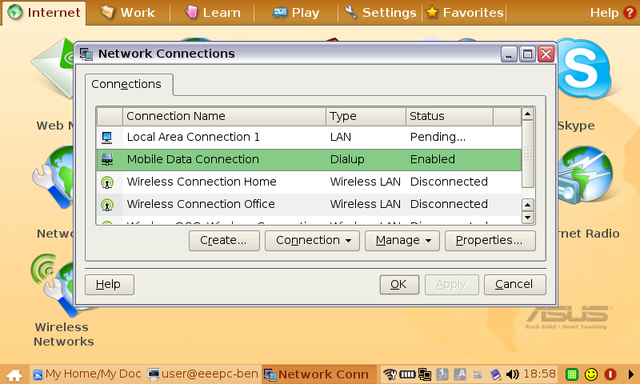
Choose the Mobile Data Connection to enable.


Wait for it to startup...


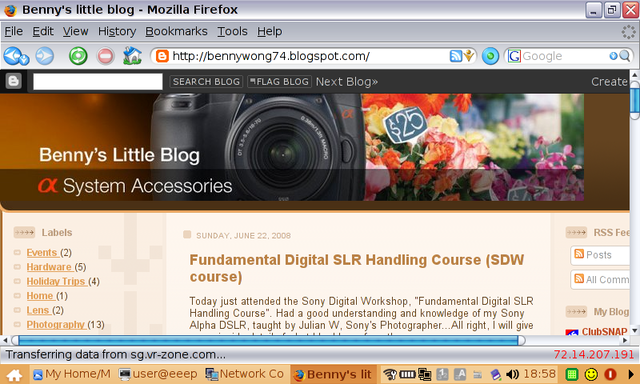
Woo hoo....Surfing on the go.....


Saturday, June 21, 2008

Call me Mr Zoom Man

Finally, after serious consideration between Tamron or Sigma 70-300mm zoom lens, I had settle on the Sony DT55-200mm f4-5.6 telephoto zoom lens, what make me settle for this lens, well , see some reviews from other website, the 70-300mm lens had some "SSS", "IS", "VR" or "OS"(Anti-Shake) problem at 300mm range and really needs a tripod but 200mm still can handheld. Of course the most important thing is that Sony had this ED (Extra-low Dispersion) Glass installed, which Tamron or Sigma dun have....Woo Hoo, you can call me Mr Zoom Man. Took some picture with this new zoom lens around my neighborhood.

You can check the spec at the Sony website, Its a cheap and good lens at its range, pictures are sharp, like the bokeh effect too but the AF is a bit slow and the lens are quite heavy, tats my reviews on this lens.

Building Shot


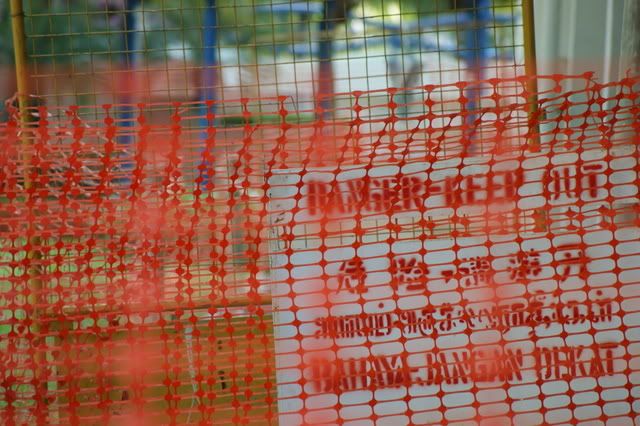
Bokeh Shot


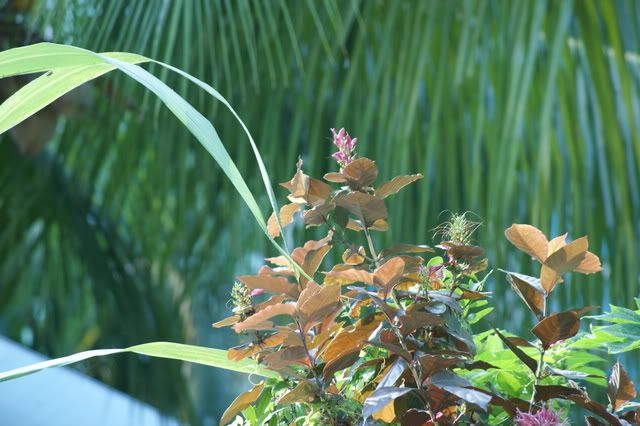
Little Garden Shot


Kitty Shot


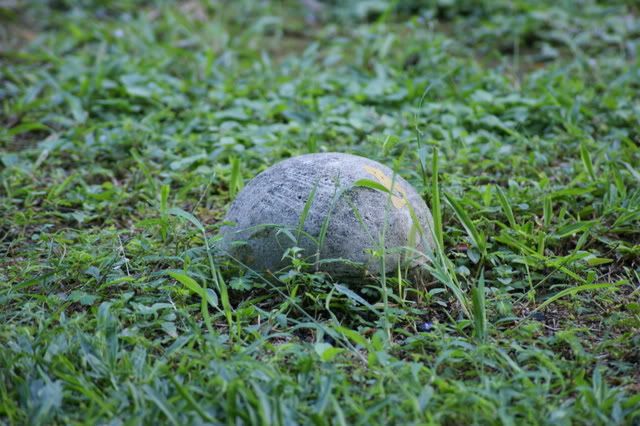
Stone Shot


All shots taken by SONY ALPHA DSLR-A350

Wednesday, June 11, 2008

All about UV Filters

On a digital SLR camera, the primary purpose of the UV Filter is lens protection for expensive lenses (such as the Carl Zeiss Lens ). I regard the B+W MRC UV filter as the best UV filter available but also the most expensive ones, so I choose a little lesser cost but effective UV filter... HOYA Super HMC UV Filter

There is an ongoing debate over the use of UV filters for lens protection. Neither side is wrong - they simply have differing opinions - and the freedom of choice.

The non-UV filter users say that their lens hoods provide all of the protection they need. They say UV filters degrade their pictures. Their contingency is that they can have a damaged lens repaired under their warranty coverage.

I am a member of the UV filter users. A high quality UV filter such as the HOYA Pro 1 Digital UV Filter will not degrade the final picture in most instances. A very bright light in the background of your picture *may* cause the filter to generate a small amount of flare, but I rarely detect any other filter-caused image defects. If I scratch the filter, I can simply remove it and keep shooting. I feel much more comfortable cleaning dirt off of an $28 filter than I do from a very expensive lens. I feel a little less protective of my lenses when they are protected with UV filters as well. Note: A UV filter is not going to save the lens from a significant impact. You will still want warranty coverage if the lens is valuable.

Even non-regular filter users will want a filter when shooting in very dusty or harsh conditions (think salt water spray). Some lenses require UV filters to complete their weather sealing.


UV filters are supposed to block UV light. So, for the newcomers to photography let's first look at what UV light is and why you would want to block it.

The "traditional" visible spectrum runs from red to violet. Red light has the longest wavelength and violet the shortest. Light which has a longer wavelength than red is called infrared, and light which has a shorter wavelength than violet is called ultra violet or UV. The wavelength of light is measure in units of nanometers (abbreviated as nm), and 1nm is a billionth of a meter (that's a US billion or 1000 million, not a UK billion which is a million million!). Light shorter in wavelength than about 400nm is called ultra violet, light longer in wavelength than 700nm is called infrared.

So now we know what UV light is, why would be want to block it? Well the answer lies in the way that color film works. There are basically three color sensitive layers, one sensitive to red light, one to green light and one to blue light. The blue layer not only responds to blue light, but also to UV light, so if there is a lot of UV around the blue sensitive layer gets extra exposure and the final image takes on a blue color. Since film isn't normally sensitive to infrared, you don't need an infrared blocking filter. Interestingly though, digital sensors are infrared sensitive and most digital cameras have an infrared blocking filter built in.
Now there isn't usually a huge amount of UV around at sea level. There is some (that's what gives you a suntan or a sunburn) but most of it is scattered by the atmosphere. However as you gain altitude, for example by going up a mountain, the amount of UV increases. Under these conditions a UV filter can prevent a blue cast in photographs.
Since UV filters look clear and neutral to the naked eye, some people also use them as a protective filter which they leave on their lens at all times. Some people think this is a good idea, other question the wisdom placing a $20 filter in front of a $1000 lens and potentially affecting image quality. Both schools of thought have some valid points. It's your choice.

B+W and Heliopan make excellent filters. Although many brands of UV filters exist, the quality and performance of B+W MRC and Heliopan SH-PMC filters place them among the world's finest. Black anodized brass rings reduce binding or cross threading and to ensure optimal alignment. The MRC and SH-PMC multicoating prevents light from being reflected off the surface of the filter - you want the light to go into the lens. High end Hoya filters are also good, but can be a pain to clean (they tend to smear).

Sunday, June 08, 2008

Reviews of Sony Alpha DSLR-A350

The Reviews of the Sony Alpha A350 and its kit lens Sony DT 18-70mm 1:3.5-5.6 are out at Digital Photography Review. It is a good read for those who are planing to buy a DSLR, be it a Canon, Nikon or Sony at least there are some reviews to indicate before you invest something that is expensive....In the review site, they did some comparison with the Sony A100, Sony A200 and Sony A300. Also Canon 450D and Pentax K20D, I felt that there are pros and cons of the DSLR compared, in the end it really boil down which camp you like best...For me, because

Its a Sony.

Here are the Links to the review site
Sony Alpha DSLR A-350


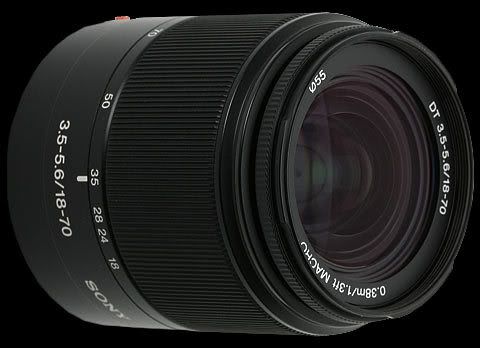
Sony DT 18-70mm 1:3.5-5.6


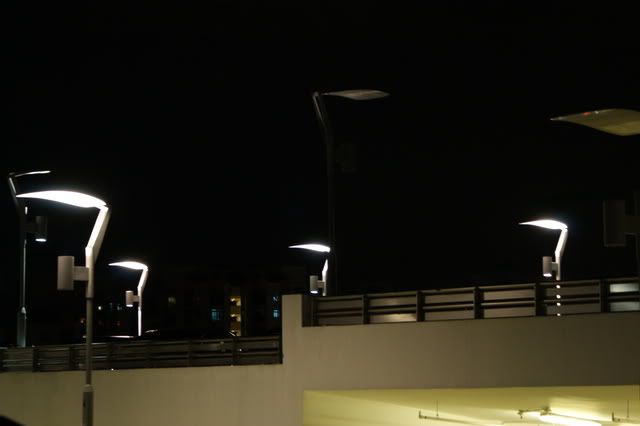
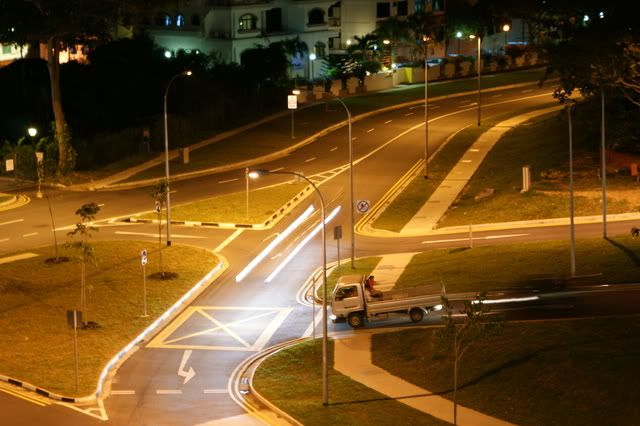
After reading the user manual for a week, now is the time to bring her out for our first date, using Sony DT 18-70mm F3.5 – 5.6

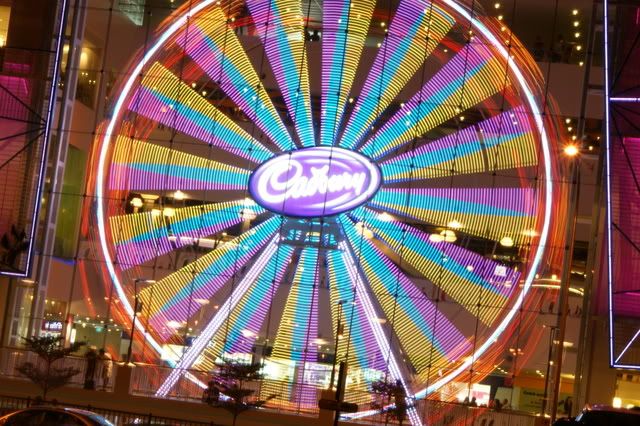
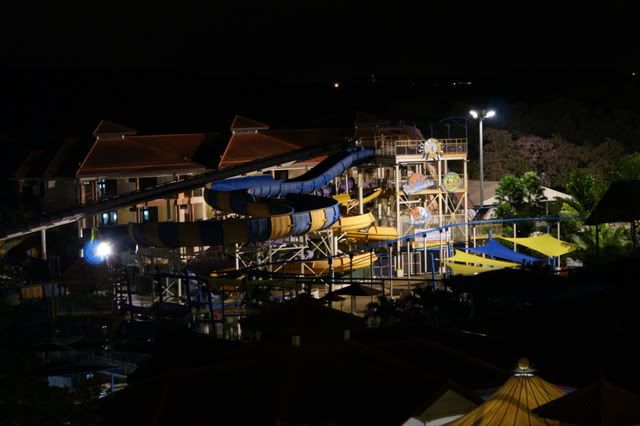
Field Shoot of Sony Alpha DSLR-A350First stop, Downtown East

ISO-200, f/36, shutter speed 5 secs, focal length 70mm


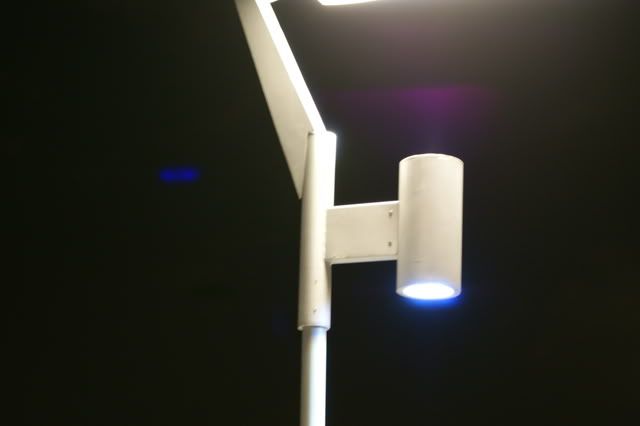
ISO-400, f/4.5, shutter speed 1/3 secs, focal length 26mm

ISO-400, f/5.6, shutter speed 1/3 secs, focal length 70mm

ISO-400, f/5.6, shutter speed 1.6 secs, focal length 70mm

ISO-400, f/5.6, shutter speed 1/4 secs, focal length 70mm

ISO-160, f/6.3, shutter speed 2.5 secs, focal length 70mm


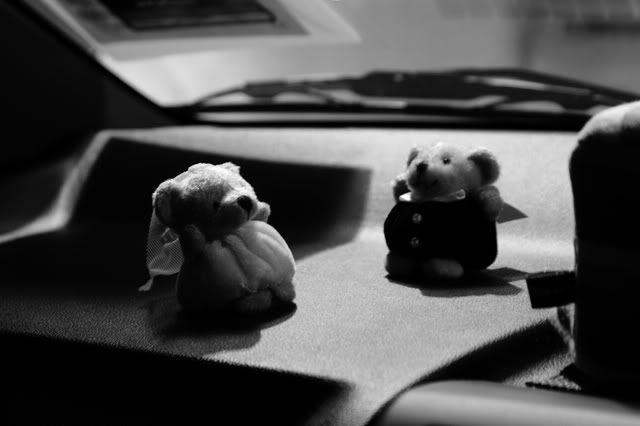
2nd date, in my car....


ISO-400, f/5.6, shutter speed 1/6 secs, focal length 70mm

ISO-400, f/5.6, shutter speed 1/4 secs, focal length 40mm

ISO-400, f/5.6, shutter speed 1/4 secs, focal length 70mm

ISO-400, f/5.6, shutter speed 1/4 secs, focal length 70mm

ISO-400, f/5.6, shutter speed 1/5 secs, focal length 70mm


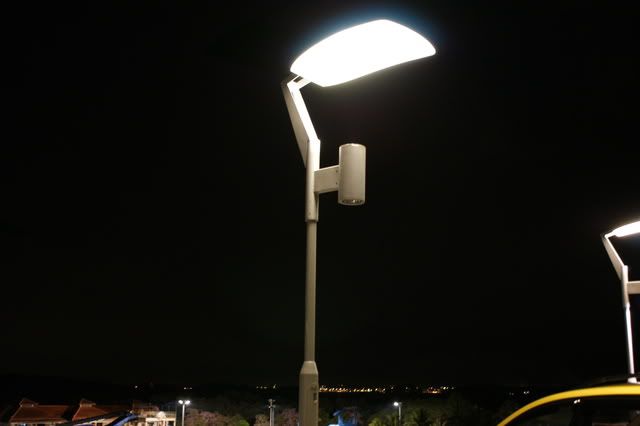
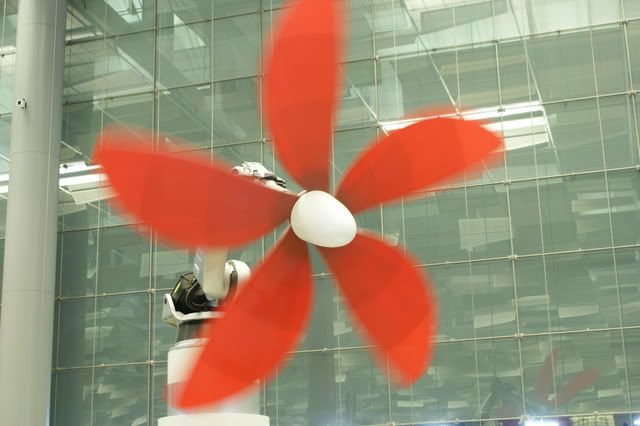
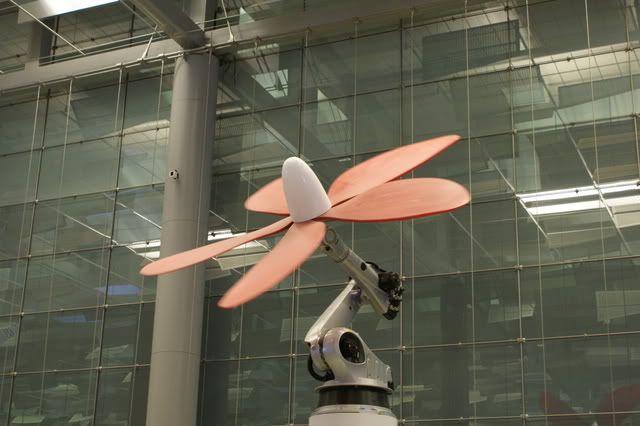
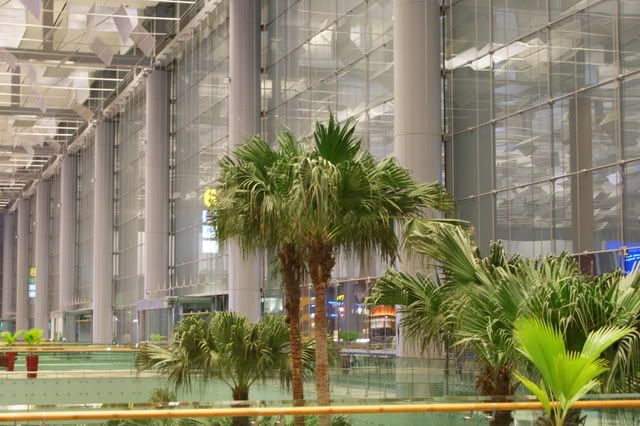
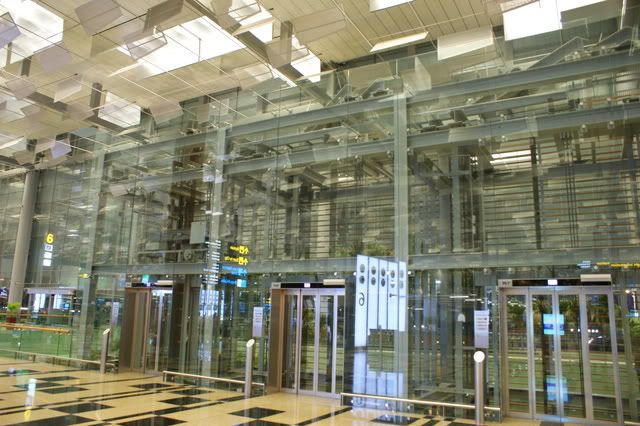
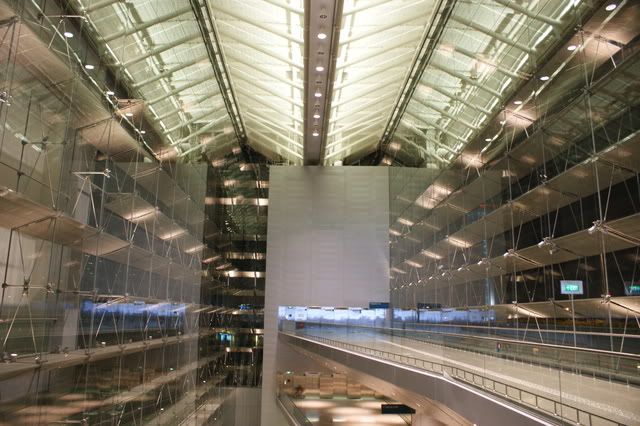
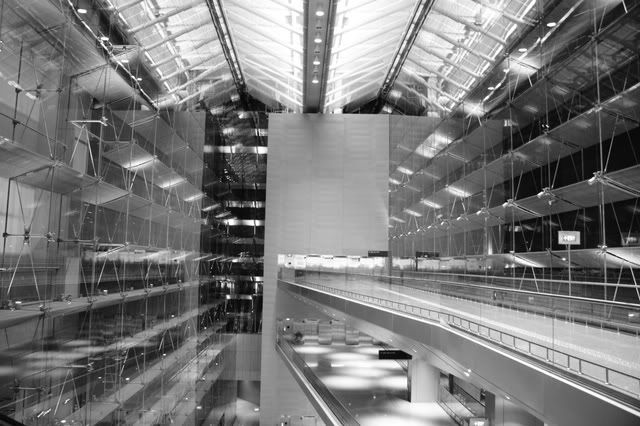
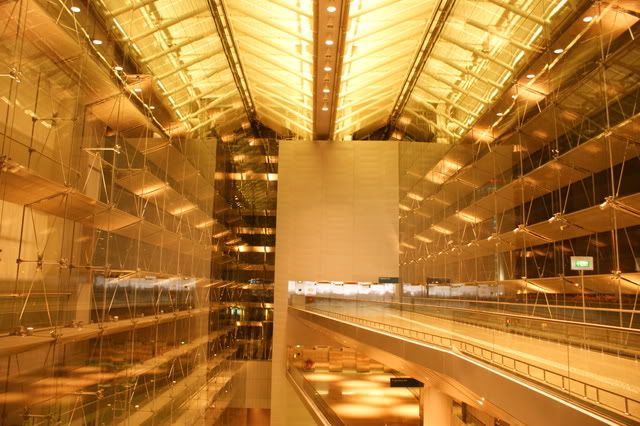
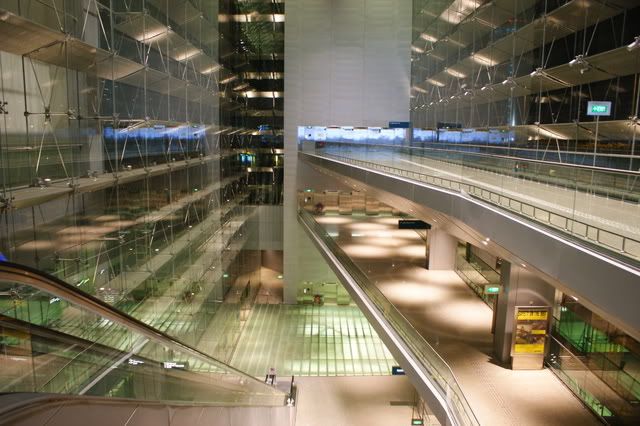
3rd date, Changi Airport T3.....


ISO-400, f/5.6, shutter speed 1/6 secs, focal length 40mm

ISO-400, f/5.6, shutter speed 1/13 secs, focal length 35mm

ISO-400, f/5.6, shutter speed 1/5 secs, focal length 50mm

ISO-400, f/4.5, shutter speed 1/40 secs, focal length 26mm

ISO-400, f/3.5, shutter speed 1/13 secs, focal length 18mm

ISO-400, f/3.5, shutter speed 1/10 secs, focal length 18mm

ISO-400, f/3.5, shutter speed 1/8 secs, focal length 18mm

ISO-400, f/3.5, shutter speed 1/8 secs, focal length 18mm

ISO-400, f/3.5, shutter speed 1/10 secs, focal length 18mm


ISO-400, f/3.5, shutter speed 1/10 secs, focal length 18mm


All shots taken by SONY ALPHA DSLR-A350

Powered By Blogger